Born in New York and raised in Tokyo, Chris transitioned into broadcasting and analysis after retiring as a player. Known for his clear delivery and data-driven insights, he now works as a commentator, reporter, simultaneous interpreter, and writer.
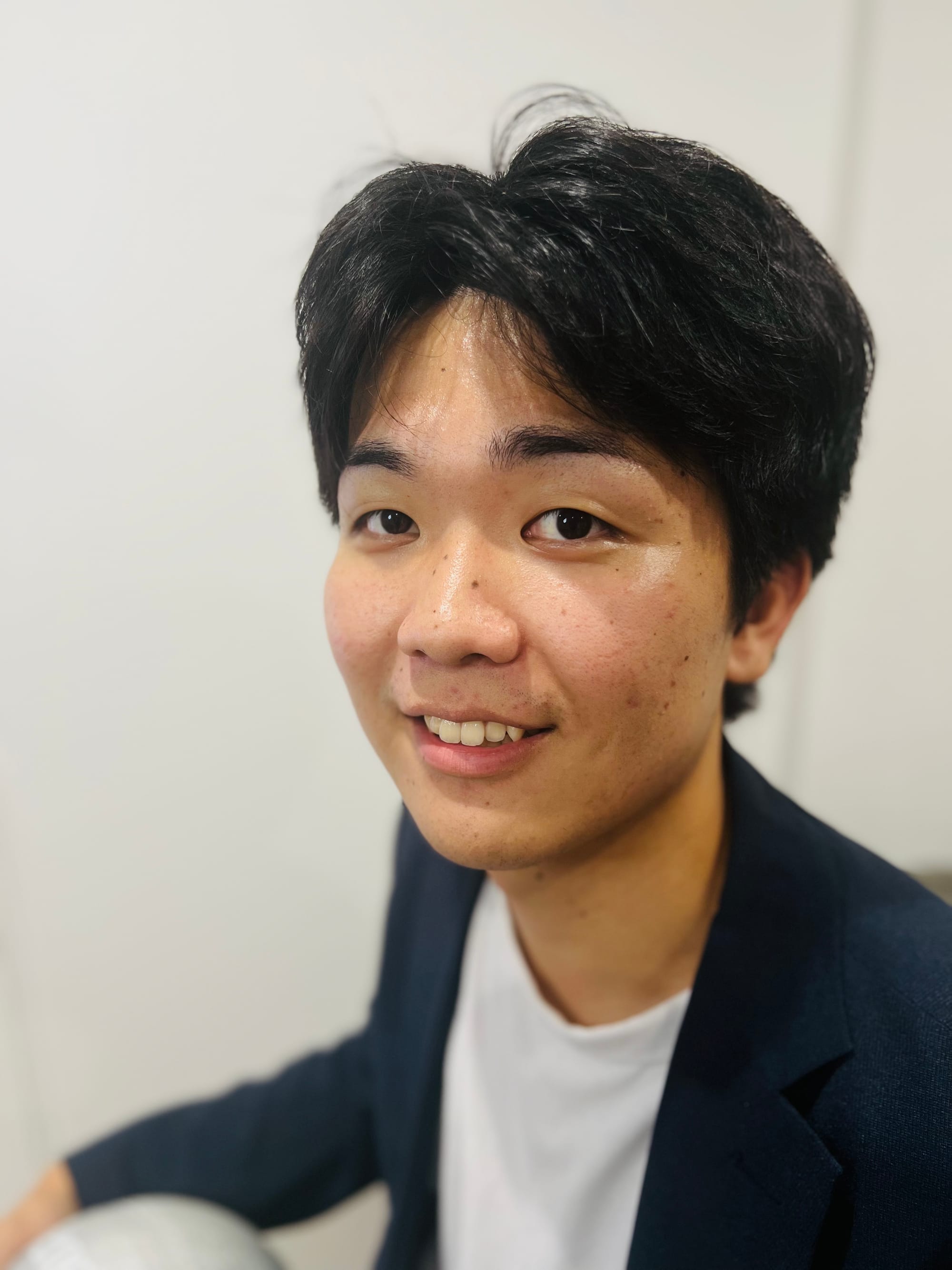
A writer for The Playmaker, I coach players and study the game through player development and basketball theory. I collaborate with Chris Sasaki on media and analysis projects, delivering clear, practical insights for both players and fans.
On March 26, the stage was set at TD Garden in Boston. These two teams, while fundamentally different, share strikingly similar offensive concepts and defensive philosophies.
With the season entering its final stretch and fewer than 10 games remaining, both teams also share another common thread: reintegrating All-NBA caliber talent back into the lineup. Being able to call this game live was, personally, a privilege—one of those moments that remind you why you do this.
A potential rematch in the 2026 NBA Finals is no longer a distant idea—it’s beginning to feel real. With that in mind, I want to put down a vision here and share it with you.
ディフェンス上位対決──勝敗を分けるのは“ペイントディフェンスと3ポイント”|An Elite Defensive Clash — The Game Was Decided by Paint Defense and the Three-Point Line
Just two weeks prior, on March 13 (Japan time), Shai Gilgeous-Alexander surpassed Wilt Chamberlain with 127 consecutive games of 20+ points, leading Oklahoma City to victory.
But this rematch carried a different meaning.
For Boston, it marked the ninth game since Jayson Tatum’s return. Meanwhile, Oklahoma City—having used 29 different starting lineups this season due to injuries—welcomed back J-Dub, Jalen Williams just a game ago. Both teams entered the game close to full strength.
This was steel against steel. And amid the sparks, the true identity of both teams emerged more clearly than before.
The defining factor of this game was defense. Entering the matchup ranked No.1 and No.4 in defensive rating, a low-scoring, tightly contested game was expected.
That expectation held in their last meeting. Turnovers remained low and balanced (12–13 in their previous meeting), and neither side collapsed.
What stands out the most, from both teams, is paint defense. How the pack, and shrink the floor. Coming into the game, Boston allowed just 40.1 points per game in the paint (1st), while Oklahoma City allowed 41.2 (2nd).
As a result, the equation was clear: to score efficiently in the half court, the three-point shot would be decisive.
復帰がもたらす“完全体”──テイタムとJ-Dubのインテグレーション|The Return to Wholeness — Integrating Tatum and J-Dub
Oklahoma City entered the game on a 12-game winning streak, going 15–1 since the All-Star break—the best record in the league during that span. Yet their offensive rating during that stretch was just 114.7, hovering around league average.
Their success is built on defense. And within that framework, J-Dub’s return is critical. Even with their elite record, his value cannot be overlooked.
Boston’s situation is similar. In the eight games since Tatum’s return, the team still holds the No.2 offensive rating on the season—but with Tatum on the floor, that number drops to a modest 114.2. Meanwhile, their defensive rating improves to 103.0, surpassing Oklahoma City’s season average of 106.0.
They recently experienced a major offensive stall, posting a 92.0 offensive rating in a loss to Minnesota. Against elite teams, their offensive inconsistency remains unresolved.
According to NBA.com’s John Schuhmann, Boston was just 8–13 against top-10 teams entering this game. Even with Tatum back, a path to the Finals is far from guaranteed.
The Man of the Hour──ジェイソン・テイタムがもたらす引力|The Gravity of Jayson Tatum
Born in New York and raised in Tokyo, Chris transitioned into broadcasting and analysis after retiring as a player. Known for his clear delivery and data-driven insights, he now works as a commentator, reporter, simultaneous interpreter, and writer.
A writer for The Playmaker, I coach players and study the game through player development and basketball theory. I collaborate with Chris Sasaki on media and analysis projects, delivering clear, practical insights for both players and fans.
A writer for The Playmaker, I coach players and study the game through player development and basketball theory. I collaborate with Chris Sasaki on media and analysis projects, delivering clear, practical insights for both players and fans.
A writer for The Playmaker, I coach players and study the game through player development and basketball theory. I collaborate with Chris Sasaki on media and analysis projects, delivering clear, practical insights for both players and fans.
A writer for The Playmaker, I coach players and study the game through player development and basketball theory. I collaborate with Chris Sasaki on media and analysis projects, delivering clear, practical insights for both players and fans.
A writer for The Playmaker, I coach players and study the game through player development and basketball theory. I collaborate with Chris Sasaki on media and analysis projects, delivering clear, practical insights for both players and fans.
A writer for The Playmaker, I coach players and study the game through player development and basketball theory. I collaborate with Chris Sasaki on media and analysis projects, delivering clear, practical insights for both players and fans.
A writer for The Playmaker, I coach players and study the game through player development and basketball theory. I collaborate with Chris Sasaki on media and analysis projects, delivering clear, practical insights for both players and fans.
A writer for The Playmaker, I coach players and study the game through player development and basketball theory. I collaborate with Chris Sasaki on media and analysis projects, delivering clear, practical insights for both players and fans.
A writer for The Playmaker, I coach players and study the game through player development and basketball theory. I collaborate with Chris Sasaki on media and analysis projects, delivering clear, practical insights for both players and fans.
A writer for The Playmaker, I coach players and study the game through player development and basketball theory. I collaborate with Chris Sasaki on media and analysis projects, delivering clear, practical insights for both players and fans.
A writer for The Playmaker, I coach players and study the game through player development and basketball theory. I collaborate with Chris Sasaki on media and analysis projects, delivering clear, practical insights for both players and fans.
A writer for The Playmaker, I coach players and study the game through player development and basketball theory. I collaborate with Chris Sasaki on media and analysis projects, delivering clear, practical insights for both players and fans.
A writer for The Playmaker, I coach players and study the game through player development and basketball theory. I collaborate with Chris Sasaki on media and analysis projects, delivering clear, practical insights for both players and fans.
A writer for The Playmaker, I coach players and study the game through player development and basketball theory. I collaborate with Chris Sasaki on media and analysis projects, delivering clear, practical insights for both players and fans.
A writer for The Playmaker, I coach players and study the game through player development and basketball theory. I collaborate with Chris Sasaki on media and analysis projects, delivering clear, practical insights for both players and fans.
A writer for The Playmaker, I coach players and study the game through player development and basketball theory. I collaborate with Chris Sasaki on media and analysis projects, delivering clear, practical insights for both players and fans.
A writer for The Playmaker, I coach players and study the game through player development and basketball theory. I collaborate with Chris Sasaki on media and analysis projects, delivering clear, practical insights for both players and fans.
A writer for The Playmaker, I coach players and study the game through player development and basketball theory. I collaborate with Chris Sasaki on media and analysis projects, delivering clear, practical insights for both players and fans.


![セルティックス vs サンダー “ディフェンスが支配する時代”を解いたテイタムの答え|The Tatum Effect|Chris’s Court Vision [3/26]](https://storage.ghost.io/c/67/43/674316a6-b72f-4abb-a35b-bd0c87956497/content/images/size/w2000/format/webp/2026/03/ccv.png)